All Categories
Featured
Table of Contents
- – 1. Convenience starts with Location and Acce...
- – 2. Qualifications and Credentials: Ensuring ...
- – 3. Services Offered: Comprehensive Care Unde...
- – 4. Modern Dental Technology: Equipment and T...
- – 5. Patient Experience: The Human Touch of De...
- – 6. Making dental care affordable: Options fo...
- – 7. Review and Recommendations - Learning fro...
- – 8. Professional Affiliations - A Mark of Com...
- – 9. Communication and Education: Partners in ...
- – Conclusion: Making your Decision
- – FAQ 1: How often should I visit my dentist?
- – FAQ 2 - What should I be doing if I am expe...
- – FAQ 3: How can I determine whether a dentis...
Choosing the right dental professional can have a major impact on your overall health. The process can be overwhelming with so many factors to consider. From location to qualifications, to patient experience to technology, there are many things to take into consideration. This comprehensive guide will help you to understand the most important factors you need to take into consideration when choosing a local dentist.
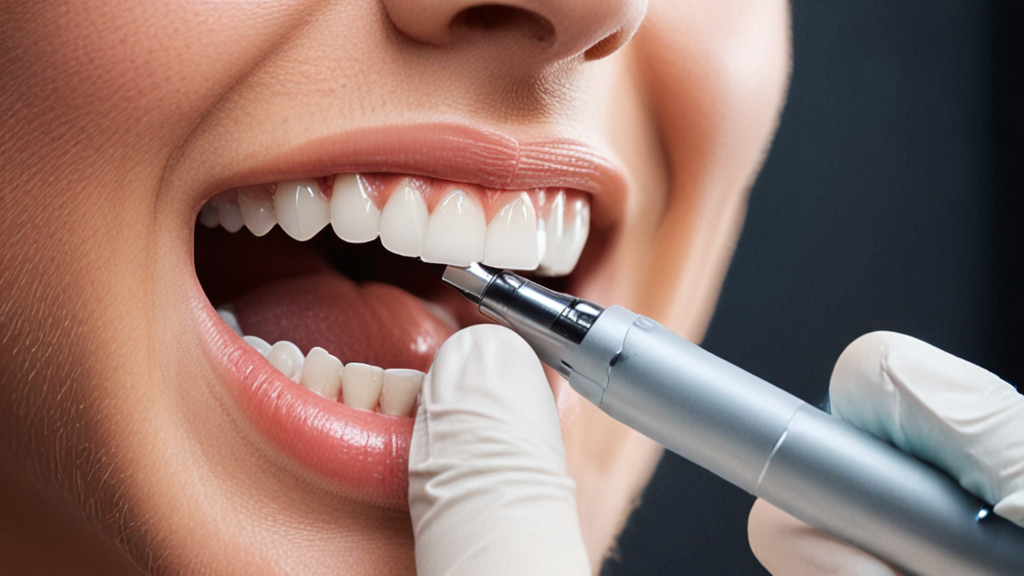
1. Convenience starts with Location and Accessibility
When it comes to maintaining regular dental check-ups and addressing unexpected oral health issues, convenience plays a vital role. Location of a dentist can mean the difference between keeping your oral health regimen up to date and neglecting due to logistical difficulties.
You should consider the following factors in evaluating a dental office's location.
-
Proximity Choose a dental office that is within a reasonable range of your workplace or home. This proximity can be especially beneficial for scheduling appointments during lunch breaks or after work hours.
-
Public Transport Options : If you depend on public transportation, be sure that your dental office is accessible by public transit such as busses, subways, and other modes of transportation.
-
Parking availability. For those who drive and park, parking is available. This can reduce stress and help you arrive on time to your appointments.
-
Office hours : Choose a dentist whose hours are flexible and that is available. Some practices provide evening and weekend appointments for busy professionals or families.
Remember, a conveniently located dentist increases the likelihood of regular visits, which is crucial for maintaining optimal oral health and preventing more serious dental issues down the line.
2. Qualifications and Credentials: Ensuring Expertise and Trust
Your dentist's qualifications and credentials are crucial to ensuring that you receive quality care. A dentist who is well-educated, experienced, and skilled can accurately diagnose issues and recommend treatments.
When selecting a dentist to consult, it is important to consider the following:
-
Education: Verify a dentist's education, including dental school and specialized training.
-
Board certification: Look for dentists who are board-certified, as this indicates they have met rigorous standards set by professional dental organizations.
-
Continuing Education: Dentistry has always been a field that is constantly evolving. Select a dentist that regularly attends continuing education courses in order to keep up with the latest technologies and techniques.
-
Specializations: If you have specific dental needs, such as orthodontics or periodontics, consider a dentist with relevant specializations or one who works closely with specialists in these areas.
Do not hesitate to ask about the qualifications and experience of potential dentists. A reputable dentist will be happy to discuss their background and how it benefits their patients.
3. Services Offered: Comprehensive Care Under One Roof
Dental practices that offer a variety of services will provide you with a more comprehensive service and ultimately save you both time and energy. When evaluating a practice's services, think about:
-
Dentistry general . Look for practices that cover all the basics: routine check-ups with cleanings or fillings.
-
cosmetic dentistry : If you are interested in improving the look of your smile, select a dentist offering services such as teeth whitening or veneers.
-
Basic Orthodontics. Many general dentists are equipped to provide orthodontic treatment, whether you need braces for yourself or your family members.
-
Minor oral surgery A dentist who is able to perform minor procedures such as tooth extractions, dental implants, or placement of dental implants can help you avoid having multiple providers.
-
Urgent dental care Make sure the dentist you select offers emergency care or that they have a clearly defined protocol for care after office hours.
It is easier to maintain good dental health when you have access to many services at one location.
4. Modern Dental Technology: Equipment and Technology
The advancements in dental technology are revolutionizing the field. They offer more accurate diagnostics, better treatment outcomes and enhanced patient comfort. When choosing a dentist, consider their investment in modern technology:
-
digital X-rays : They provide clearer images at a lower radiation level than traditional Xrays.
-
Intraoral cameras. These small cameras enable you to view what the dentist sees within your mouth. They improve communication and understanding about your oral health.
-
3D images Can provide detailed views on your teeth and jaw. It can help with complex treatment planning.
-
Laser dentistry tools: Lasers can make certain procedures less invasive and more comfortable.
The latest technology can be a sign of a dentist who is dedicated to giving the best care. A dental practice that invests heavily in new equipment often shows a commitment to stay current with the latest advancements.
5. Patient Experience: The Human Touch of Dental Care
The overall experience of the patient can have a significant impact on your willingness to continue regular dental visits. Positive experiences can transform dental visits from a chore to a part of your daily health routine.
Patients' experience can be summarized as follows:
-
wait times : An efficient schedule and minimal waiting times can show you respect for your time, and reduce the anxiety that is associated with dental appointments.
-
Friendly staff. A friendly and welcoming team can make your visit more enjoyable.
-
Office cleanliness A clean and well-maintained workplace not only creates a more comfortable atmosphere, but also reflects a practice's commitment towards hygiene and infection prevention.
-
Communication styles : Choose a doctor who listens and communicates well, as well as involves you in making decisions regarding your oral health.
It is a good idea to schedule a consultation before committing for long-term dental care. This will allow you to feel the practice atmosphere and learn about the dentist's chairside style.
6. Making dental care affordable: Options for payment and insurance
In order to find a dentist that suits your budget, you must understand the financial side of dental treatment. Consider the following:
-
Accepted insurance plans: Verify that the dentist accepts your dental insurance to maximize your benefits and minimize out-of-pocket expenses.
-
Compare in-network and out-ofnetwork providers. While in-network dentistry offers more cost savings than out-ofnetwork, out-ofnetwork providers may offer better service or better meet your needs.
-
Payment schedules : Many dentists offer payment plans that let you spread the costs of more expensive procedures over time.
-
Financing Options: Search for dental practices that have partnered with financing companies to offer low-interest and no-interest options on major dental work.
You can avoid unexpected costs by discussing payment options and fees upfront.
7. Review and Recommendations - Learning from Other's Experiences
It's now easier than ever before to learn from others. When researching potential dental professionals:
-
Read online patient reviews: Search platforms such as Google, Yelp and Healthgrades to find reviews. Do not focus on the individual comments, but rather look for patterns.
-
Seek recommendations. Ask your family, friends, and colleagues for their dental experiences.
-
Think about testimonials. Though testimonials from a dentist’s website are useful, you should be aware that they have likely been curated. Combine these with independent reviews to get a comprehensive picture.
Be aware that each patient will have a unique experience, but themes that are consistent can be a good indicator of the dentist's strengths or weaknesses.
8. Professional Affiliations - A Mark of Commitment
Professional affiliations of a dentist can show their commitment to high standards. Check for memberships.
-
American Dental Association - Members must agree to abide the ADA Code of Ethics.
-
State dentist associations. These organizations offer additional resources to support dentists and their practices.
-
Local Dental Societies Involvement with local dental societies can show a dentist’s commitment and involvement in the community.
While affiliations may not be a guarantee for quality, it can be an indication of a dentist’s professional engagement in their field.
9. Communication and Education: Partners in Your Oral Health
A great dentist is more than a dental specialist. They educate and empower their patients to be in control of oral health. Find a dentist that:
-
Provides resources for patient education. This could include office materials, an extensive website, or instructions to be taken home.
-
Explains the procedures clearly. Your dentist will be able break complex procedures down into terms you can understand.
-
Can be contacted for questions Choose a clinic that is open to questions and has clear channels for communication following an appointment.
-
Provides detailed aftercare instructions Proper aftercare for dental procedures is critical. Your dentist will provide written instructions that are easy to follow.
If your dentist is committed to patient education, he or she can help you develop better dental hygiene habits and make informed decisions regarding your oral health.
Conclusion: Making your Decision
The right dentist is not just about the location or insurance. It's also about other factors like patient experience, technology and more subtle aspects. It is important to take the time necessary to thoroughly research and evaluate all of your options in order for you to choose a dental practice which will meet not only your immediate needs but your long term oral health goals.
Don't forget that the best dentist is someone who makes you comfortable, respectable, and well-cared-for. It's important to meet with multiple dentists prior to making your final choice. Finding the best dental partner is a wise investment for your future.
FAQ 1: How often should I visit my dentist?
The dentist is recommended to be visited twice a years by most people for cleanings, check-ups, and other dental procedures. Some people may require more frequent dental visits, depending on their oral hygiene, risk factors and ongoing treatments. During the first appointment, your dentist will be able to assess your unique needs and make recommendations for future appointments.
FAQ 2 - What should I be doing if I am experiencing dental anxiety
Dental anxiety is a common problem, and dentists are well-versed in helping their patients deal with it. Look for a dentist who can:
- Clear communication about procedures
- Options for complex treatment sedation
- Enjoy a calm and welcoming workplace
- Patience & understanding for anxious patients
Do not hesitate to talk about your fears with prospective dentists. Many practices offer techniques and accommodations to make your visits more comfortable.
FAQ 3: How can I determine whether a dentist will be able to help me?
It is often a matter of personal comfort and confidence. After you have done your research and narrowed down the options,
- Consultation or first appointment
- Be sure to observe the office atmosphere and staff interactions
- Ask questions about your specific dental concerns
- Pay attention to how well the dentist listens and communicates
- Trust your instincts - if you feel comfortable and confident in the dentist's care, that's a good sign
Remember, it's okay to try different dentists until you find one that feels like the right fit for your needs and preferences.
Based on the ontology that we discussed, I have created a 1500-word comprehensive article about how to select a dentist in your area. The article contains bullet points, headlines, and other appropriate information. Each section has multiple paragraphs that provide detailed information. Three frequently asked questions are included at the bottom using h3-headers.
Is there any part of the article you'd like me to expand on or modify?

Table of Contents
- – 1. Convenience starts with Location and Acce...
- – 2. Qualifications and Credentials: Ensuring ...
- – 3. Services Offered: Comprehensive Care Unde...
- – 4. Modern Dental Technology: Equipment and T...
- – 5. Patient Experience: The Human Touch of De...
- – 6. Making dental care affordable: Options fo...
- – 7. Review and Recommendations - Learning fro...
- – 8. Professional Affiliations - A Mark of Com...
- – 9. Communication and Education: Partners in ...
- – Conclusion: Making your Decision
- – FAQ 1: How often should I visit my dentist?
- – FAQ 2 - What should I be doing if I am expe...
- – FAQ 3: How can I determine whether a dentis...
Latest Posts
Your Dental Companion: Choosing a Convenient Practice
Designing for Accessibility: Ensuring Inclusivity in Web Design
More
Latest Posts
Your Dental Companion: Choosing a Convenient Practice
Designing for Accessibility: Ensuring Inclusivity in Web Design